
What if we told you that the problem isn't what you're using, but how you're using it? And that your skin doesn't need more products – it needs the right ingredients in the right order.
"I accidentally discovered why my skin finally stopped being dry"
In spring 2024, a woman named Petra shared her story on a discussion forum. She had extremely dry skin with rosacea and had struggled for years with red patches, burning, and constant itching. She tried everything – from expensive dermatological creams to grandmother's remedies. Nothing really worked.
Then one day, purely by accident, she mixed hyaluronic acid with her old blend of oils (jojoba, sweet almond, and rosehip) that she still had from her "natural phase." The result? Her skin stayed hydrated all day. And when she washed her face with water in the evening, her skin remained supple and hydrated even the next morning.
"It was like I had discovered some magical combination," Petra wrote. "I could finally wash my face with soap and nothing happened. My skin just stayed fine."
Her story received hundreds of responses from people with similar experiences. And everyone asked the same thing: Why does it work?
Why everyone's talking about the skin barrier (and why you should know about it too)
Your skin isn't just a pretty wrapper. It's a sophisticated protective shield that guards you from the outside world – from bacteria, allergens, pollution, and water loss from your body. And the key to this protective shield is the skin barrier.
Imagine the skin barrier as a brick wall. Your skin cells are the bricks, and between them is mortar. This "mortar" is a mixture of three key components: ceramides, cholesterol, and fatty acids. This trio is what holds your skin barrier together.
When this wall is strong and intact, water stays inside your skin and irritants stay out. When the mortar starts to crumble, skin loses water like a sieve and external irritants penetrate inside. The result? Dry, sensitive, itchy skin that reacts to everything.
The latest research published in the International Journal of Molecular Sciences shows that damaged skin barrier is the common denominator in most chronic skin problems – from atopic eczema to contact dermatitis to premature aging.
Most regular moisturizers contain primarily water and various humectants like glycerin or hyaluronic acid. These substances do attract water to the skin. But they have one fundamental problem: on their own, they can't keep that water in the skin.
It's like pouring water into a container with a hole in the bottom. You can keep adding more, but the water keeps leaking out. That's why your skin looks great thirty minutes after applying cream, but then the dryness returns.
Hyaluronic acid can hold up to a thousand times more water than it weighs. But if there's no "lid" over it – something to lock that water in – it simply evaporates back into the air. Especially in dry environments with heating or air conditioning.
This is where ceramides, cholesterol, and fatty acids come into play. These three components together create that "mortar" between cells that prevents water loss.
The secret dermatologists know: Why 1+1+1 isn't 3, but 10
Here's the interesting part. A groundbreaking study published in the Journal of Investigative Dermatology showed something surprising: when you use only ceramides, skin improves only slightly (about 15%). When you use only cholesterol, the effect is even smaller (around 10%). And when you use only fatty acids in the form of oils, the effect is short-term.
But when you use all three components together in the right ratio, the skin barrier starts repairing dramatically quickly. The optimal ratio is approximately 3:1:1 – three parts ceramides, one part cholesterol, and one part fatty acids. With this ratio, skin barrier function improved by an amazing 80-90% in just four weeks.
Why? Because these three substances together create special layered structures that are almost identical to what healthy skin has naturally. It's similar to baking a cake – you can have great flour, but without eggs and fat, your cake won't hold together.
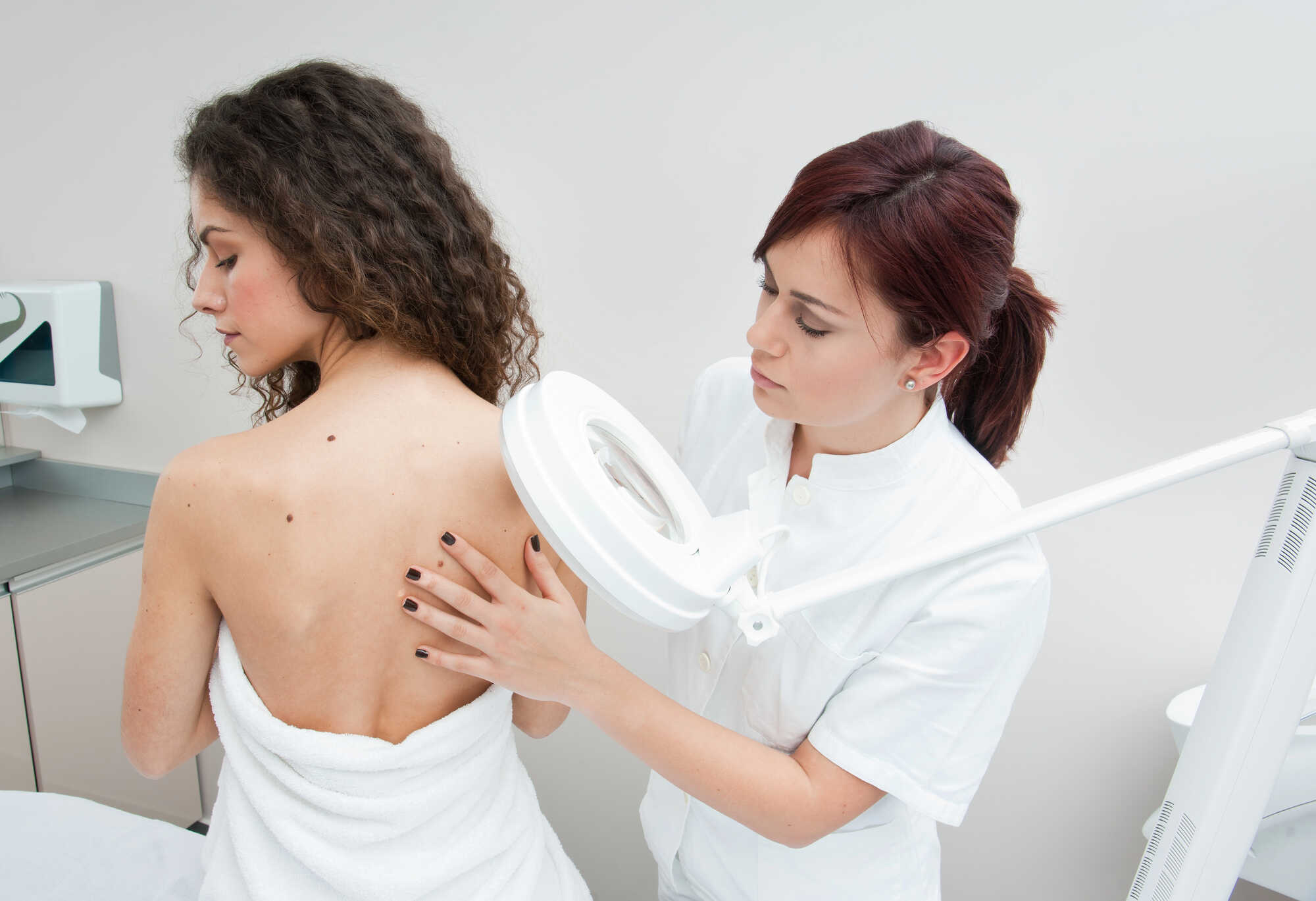
"Is it my skin, or do I really tolerate everything worse than before?" – how to recognize a damaged barrier
A damaged skin barrier has quite characteristic signs:
Skin is permanently dry, even when you use moisturizers several times a day. You apply cream in the morning, by afternoon you feel tightness. It's an endless cycle.
Sensitivity to products that used to work. Maybe you used a favorite cream for years and suddenly it starts burning or causing redness.
Itching without apparent cause. It's not an allergic reaction to something specific. It just itches. Especially in the evening after showering or at night in bed.
Redness that comes and goes. It's not acne bumps, it's not exactly rosacea. Just red spots that appear after a hot shower, after being outside in the cold, after exercise.
Flaky or rough skin, especially on the face, around the nose, on the forehead. Makeup doesn't sit well because the skin is uneven.
Feeling of tight skin, as if you had a size smaller face. Especially after washing your face with water.
If you nodded to three or more symptoms, you most likely have a damaged skin barrier. And the good news is that it can be fixed.
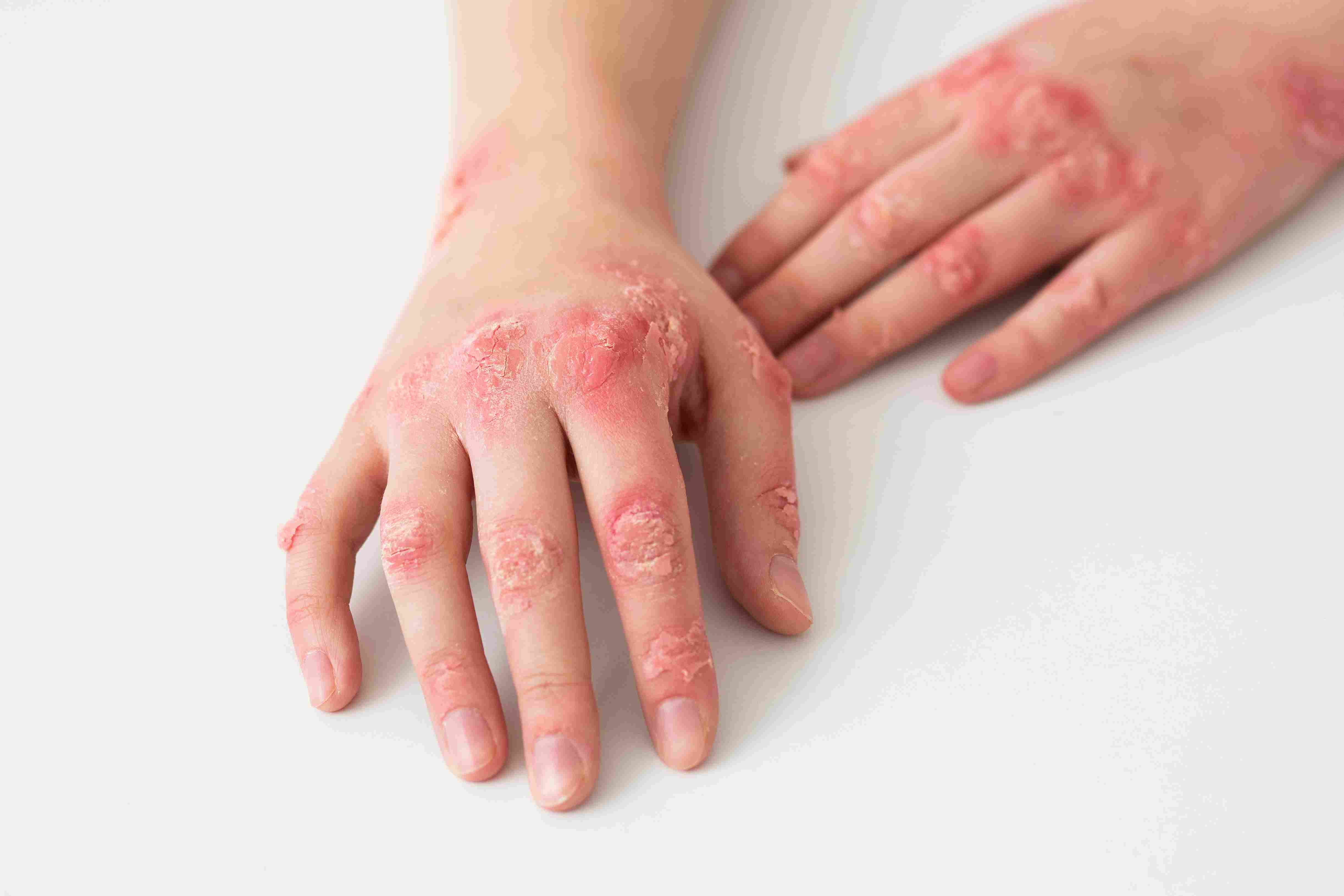
What's destroying your skin barrier (and you might not even know it)
Many people damage their skin barrier with seemingly innocent habits:
Over-cleansing – you think clean skin is healthy skin, so you wash with cleansing gel twice a day. The problem is that every wash removes not only impurities but also those natural oils and ceramides.
Hot water – a nice hot shower is relaxing, but hot water disrupts the skin's lipid layer faster than anything else. The hotter the water and the longer you're in it, the more damage you do.
Aggressive ingredients – alcohol in toners, strong surfactants in cleansing gels (SLS, SLES), fragrances and essential oils. All these substances can gradually damage the skin barrier.
Overusing active ingredients – retinol, AHA acids, BHA acids, vitamin C – all at once. Each of these ingredients can be great, but together and too often they can overload the skin.
Low air humidity in winter with heating or summer with air conditioning. Your skin loses water much faster when the air is dry.
Stress and lack of sleep – a study published in the International Journal of Cosmetic Science showed that lack of sleep and chronic stress negatively affect skin barrier renewal and reduce the skin's ability to regenerate.
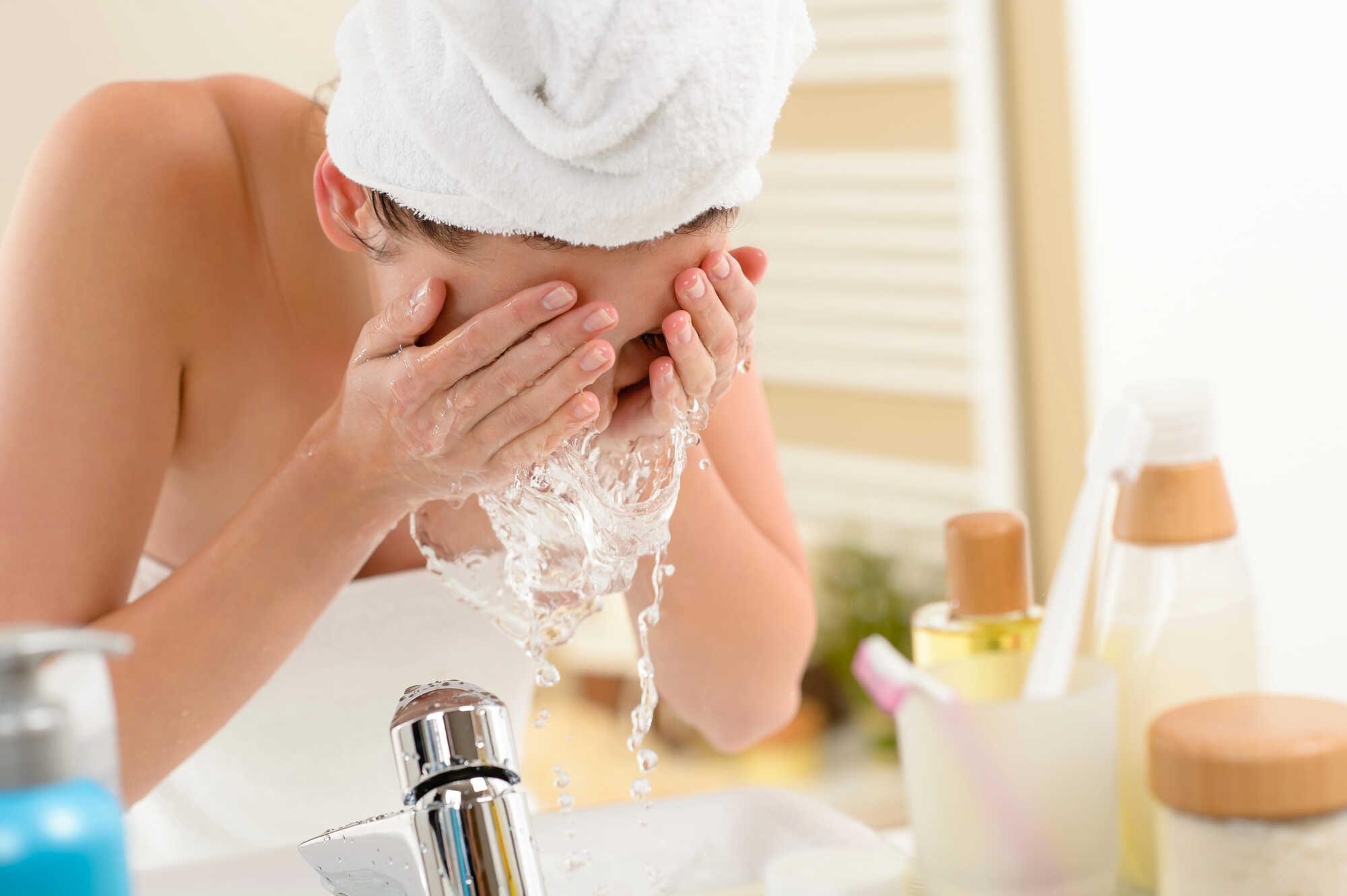
"I finally have the skin I had in my twenties" – Jana's story from Brno
Jana is 38 today and works as an accountant. Three years ago, her skin "went crazy." "I always had normal skin, nothing special. But then, around thirty-five, everything suddenly changed. My skin was constantly dry, itchy, reacting to everything."
Jana tried dozens of products. Expensive creams from the pharmacy, natural cosmetics, even custom prescriptions from a dermatologist. "Some things helped a little, but never completely."
Then she came across an article about the skin barrier and the ratio of ceramides, cholesterol, and fatty acids. "I started examining the composition of my products. And I found that most of my creams had ceramides but no cholesterol. Or oils but no ceramides. It was never all together."
Jana changed her routine. She started using hyaluronic acid serum, then a blend of oils, and finally a cream containing ceramides and cholesterol. "Within two weeks I saw a difference. After a month, I could use regular products again. After three months, I had the skin I had in my twenties."
How to layer products correctly: The method that works
First layer: Hydration. Apply hyaluronic acid serum to clean, still slightly damp skin. Why on damp? Because hyaluronic acid binds water from the surroundings. A few drops are enough for the whole face.
Second layer: Fatty acids. While the skin is still slightly damp from the serum, apply a few drops of plant oil. The best are jojoba oil (almost identical to human sebum), squalane, or argan oil. 3-5 drops are enough, warm them in your palms and gently massage in.
Third layer: Ceramides and cholesterol. Finally, use a cream containing ceramides and ideally cholesterol too. This cream acts as a "seal" over the previous layers. Products from Epiderma.cz containing ceramides, cholesterol, and other supporting ingredients are designed precisely for this purpose.
The whole process takes literally two to three minutes. But the effect is significant. Within the first week, most people feel a difference. During the second to third week, improvement becomes visible. And after a month, the change is dramatic.
This article was created in collaboration with dermatologists based on the latest scientific knowledge. The information in this article does not replace medical advice. If you suffer from a serious skin condition, consult a dermatologist.